From Drought to Abundance: How Sand Dams Are Rewriting the Future of Drylands
In the world’s drylands, water has long dictated survival. For families living in arid rural regions, rainfall is unpredictable and unforgiving. When it does come, it falls hard and fast, rushing across hardened ground and sweeping away precious fertile soil. The water disappears almost as quickly as it arrives, leaving behind parched land, failing crops, and empty containers.
Women and children often spend between six and twelve hours every day walking long distances to collect water from unsafe rivers and contaminated sources. The toll is heavy exhaustion, lost education, lost income, and constant exposure to waterborne diseases. At the same time, degraded land and deforestation deepen poverty, fuel food insecurity, and heighten tensions over scarce natural resources.
For millions, the cycle of drought and hardship seemed impossible to break.
Capturing Rain. Restoring Land. Rebuilding Futures.
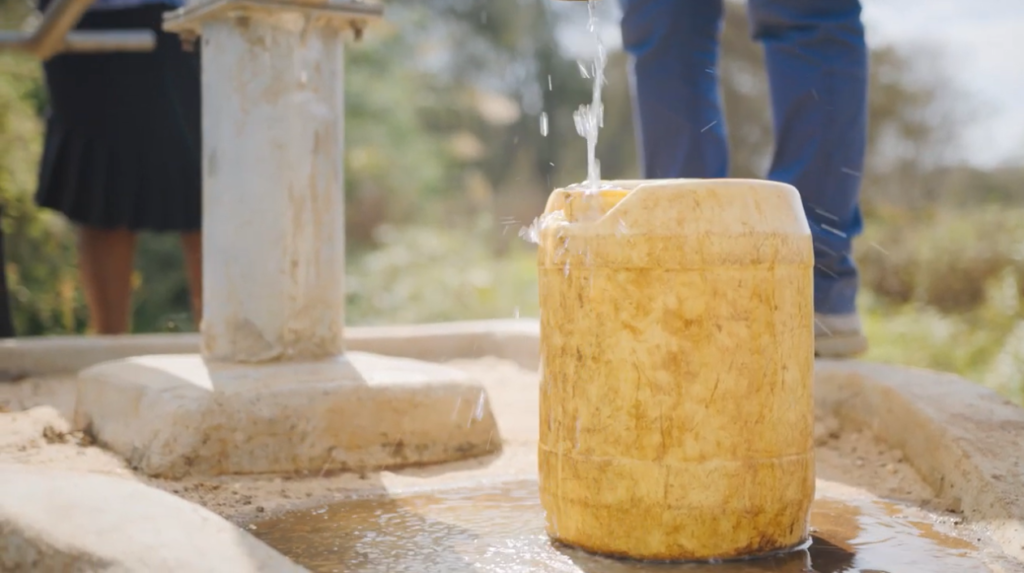
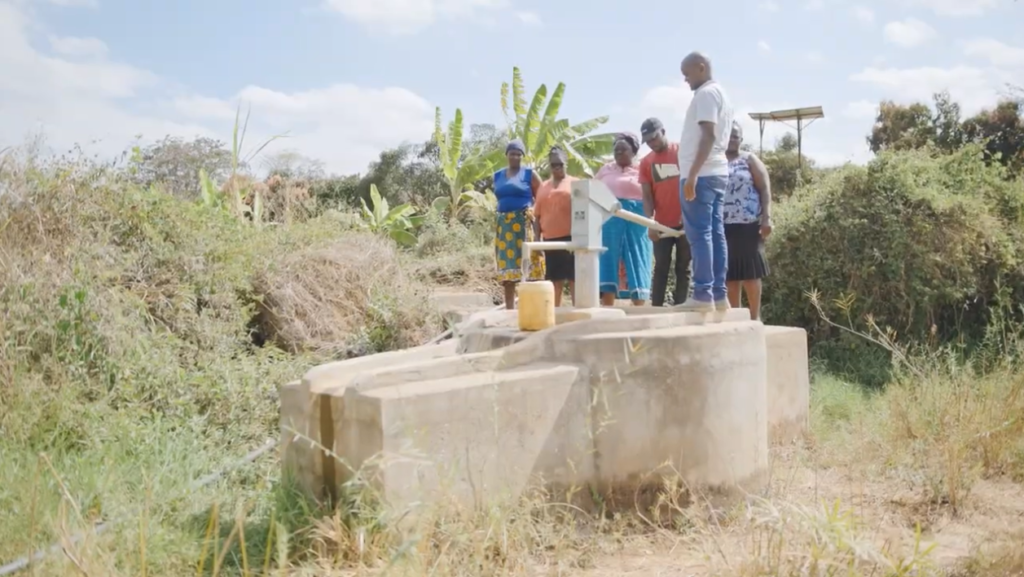
Since 2002, Sand Dams Worldwide, led by Dwain Lucktung, has been working with local partners to transform dryland communities through a simple but powerful innovation: sand dams A sand dam is a reinforced concrete wall built across a seasonal riverbed. During the rainy season, rainwater is captured and stored within sand that accumulates behind the wall. The sand acts as a natural filter, protecting the water from evaporation and contamination. The stored water can then be accessed year-round through hand pumps and taps.One sand dam can store up to 40 million litres of water and provide reliable, nearby access for more than 1,000 people.
But the impact extends far beyond water.
Communities help build the dams themselves, contributing labour and materials. Water Management Committees are formed and trained to oversee operations. Because sand dams have virtually no operational costs and can last over 60 years, they provide a sustainable, low-cost solution designed to endure for generations. Where sand dams are not feasible, the organization supports alternative water solutions, including school water tanks, rock catchments, and sand dam road crossings. Alongside water access, communities receive support in climate-smart agriculture and environmental restoration. Terracing reduces soil erosion. Drought-resistant crops and trees are planted. Seed banks are developed. Degraded land begins to heal. Water becomes the foundation for resilience.
Change for Over a Million People
The scale of impact is extraordinary. To date, 1,424 sand dams have been enabled across 10 countries, providing lifelong, nearby access to clean water for over 1.2 million people. Time spent collecting water has dropped by 73 percent from nearly five hours a day to just over one hour. Families now have an average of 291 additional litres of water per day during the driest months. Health outcomes have improved dramatically. Households experiencing sickness dropped by 64 percent within six months. Hygiene scores rose from 20 percent to 79 percent. Water stored in the sand meets World Health Organization standards and is safe to drink.
Food security has also strengthened. The proportion of families experiencing food shortages fell by 89 percent, and households lacking a balanced diet decreased by 54 percent. In Kenya alone, supported communities generated over 24 million Kenyan Shillings from selling surplus produce. Women report feeling more hopeful, confident, empowered, and proud—no longer spending entire days searching for water, but investing time in education, farming, and entrepreneurship.
Dry riverbeds are now lifelines.
A Long-Term Model for Climate Resilience
Sand dams are built to last more than 60 years, with little to no maintenance required. The community-led model ensures ownership, accountability, and long-term success. Partnerships with in-country organizations and government bodies strengthen scale and sustainability.With a bold vision to enable 1 million sand dams to benefit 0.5 billion people by 2050, Sand Dams Worldwide is demonstrating that practical, locally built solutions can address some of the world’s most pressing climate and water challenges.
By capturing rain that once vanished, these communities are reclaiming control over their land, their livelihoods, and their future.