Ending a Silent Water Crisis in Nepal’s Most Vulnerable Communities
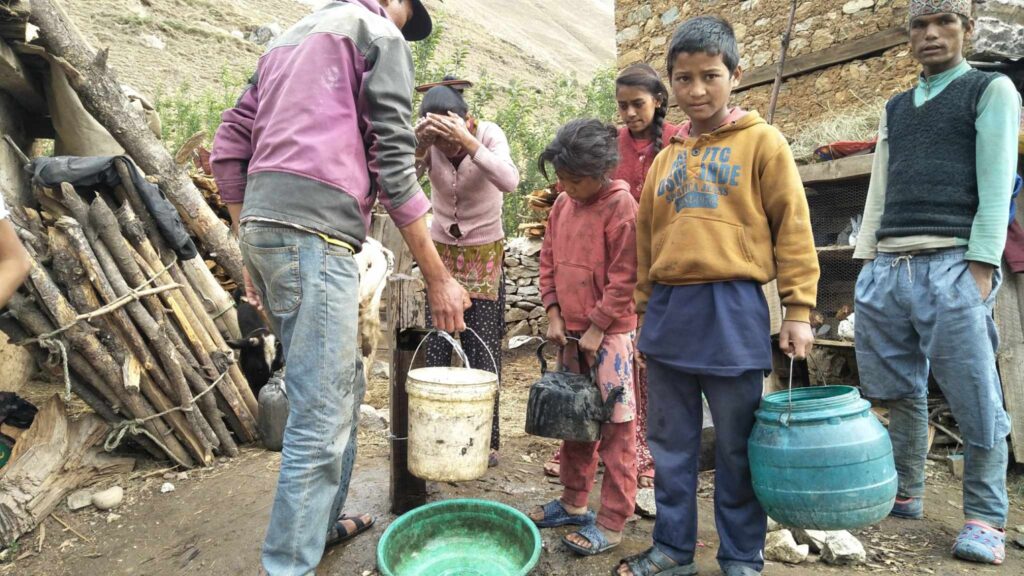
In Cambodia, many rural communities face a constant challenge—lack of access to clean water. For these communities, this isn’t just an inconvenience, but a matter of life and death. Without reliable sources of clean water, people are forced to use unsafe water, leadingIn Nepal, many deprived communities in Butwal, Rupandehi District have faced a daily struggle for something most people take for granted… safe drinking water. For years, families relied on highly contaminated water sources for drinking, cooking, and cleaning. What seemed like an ordinary necessity became a dangerous health risk
The consequences were severe. Waterborne diseases such as diarrhea and typhoid were common, especially among children. School attendance suffered as illness kept students at home. Girls faced additional challenges during menstruation due to poor sanitation facilities. For families already vulnerable, the lack of clean water undermined health, education, dignity, and long-term resilience. It became clear that without intervention, the cycle of sickness and hardship would continue.
to waterborne diseases that harm children and adults alike. The consequences of this issue are wide-reaching: children miss school, adults miss work, and entire families suffer from preventable illnesses.
A Community Takes Back Control
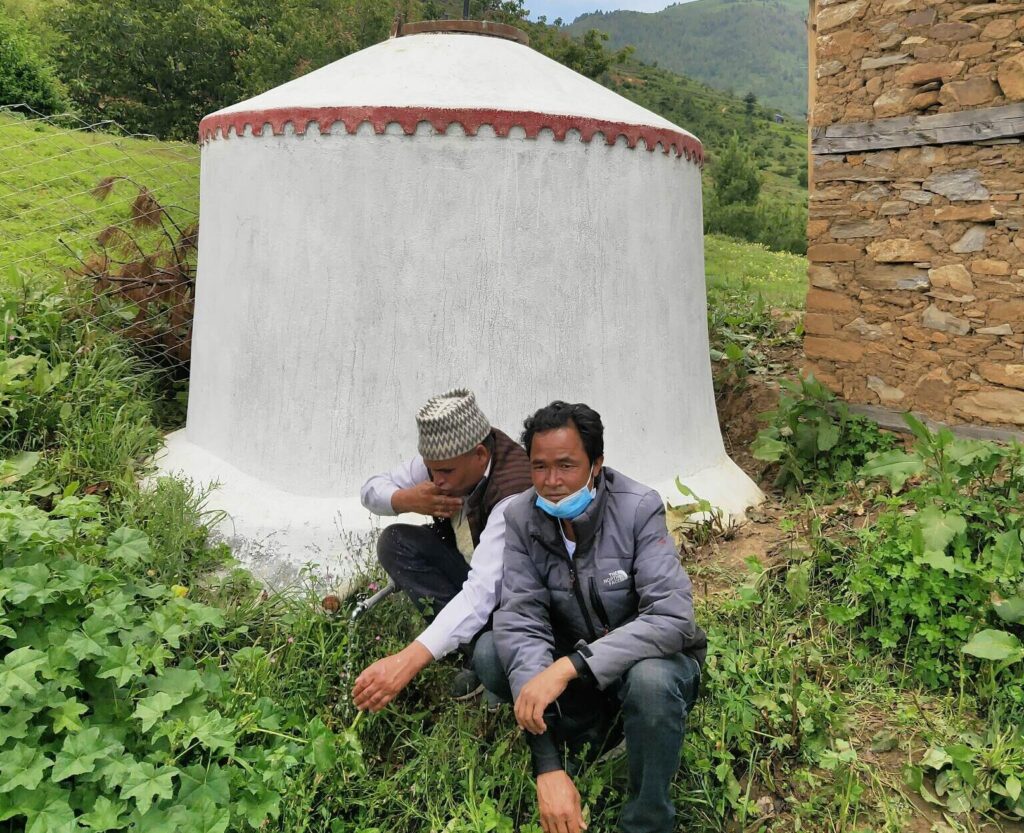
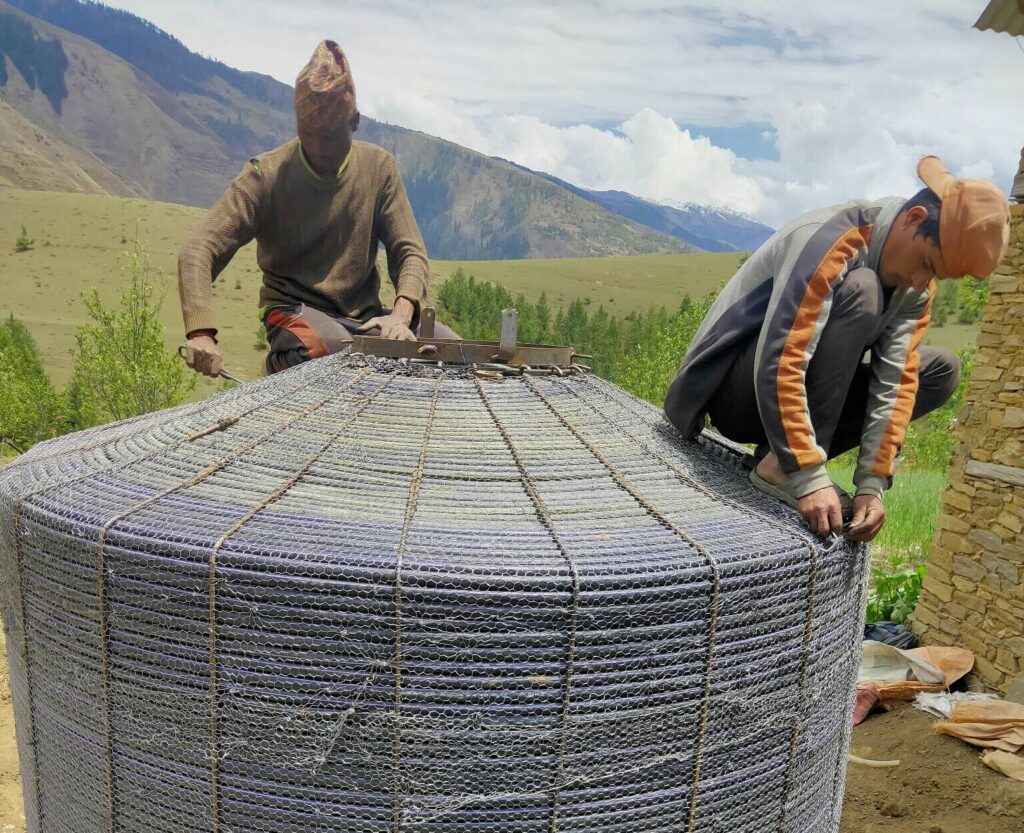
Recognizing the urgency of the crisis, the Partnership for Sustainable Development Nepal, led by Dr. Datta Bahadur Rawal stepped in with a vision that went beyond simply installing water systems. The goal was not just access to clean water—it was long-term transformation. The initiative began by listening. Community members shared their struggles, their fears, and their desire for a healthier future. From those conversations, an integrated WASH (Water, Sanitation, and Hygiene) solution was developed. One that combined infrastructure, education, environmental restoration, and local leadership. Water quality testing identified the most urgent needs. Treatment systems were installed in schools and communities. Five shallow tube wells were improved, bringing safer groundwater within reach. Seventy household toilets were upgraded, and two new school toilet blocks were constructed, giving children safe and private sanitation facilities.
But infrastructure alone was not enough.
Students participated in hygiene awareness programs, learning the importance of safe water practices and sanitation. Families were trained in household water purification techniques. Knowledge began to spread from classrooms into homes, creating a ripple effect of healthier behaviors. At the same time, the project strengthened the environment that sustains water itself. Nearly 13,000 trees were planted, restoring local ecosystems and offsetting approximately 286 metric tons of CO₂ annually. Recharge ponds were restored to protect groundwater sources, helping ensure that future generations would not face the same crisis. Most importantly, the community now leads its own progress. Water User Committees and an Operation and Maintenance Committee—half of them women—manage and oversee the systems. Families contribute monthly to a maintenance fund, ensuring the solution remains strong long after installation.
Measurable Impact on Health and Education
The impact of the initiative has been transformative.
Approximately 170 households (around 650 residents) and 450 schoolchildren now have access to safe drinking water, with 20,820 cubic meters of safe water supplied annually. Open defecation among schoolchildren has been eliminated, and hygiene awareness has significantly improved. Most importantly, waterborne diseases have dramatically decreased. Healthier children attend school more consistently, including during menstruation. Families report improved well-being and a renewed sense of dignity. In total, the project directly benefits approximately 1,100 people, with indirect benefits reaching neighboring communities and local ecosystems. Monitoring systems, including water quality testing reports and oversight from local government and partner NGOs, ensure continued accountability and performance.
A Model for Sustainable Water Security
Designed as a model community aligned with Nepal’s national WASH standards, this initiative demonstrates how water security can drive broader development outcomes; improving health, strengthening education, restoring ecosystems, and building climate resilience. With strong governance structures and financial sustainability mechanisms in place, the project is readily replicable across Nepal and other regions facing similar water challenges. Through a holistic, community-led approach, this initiative proves that sustainable water solutions do more than provide clean water—they restore dignity, empower communities, and create long-term resilience.