Turning the Tide on Plastic Pollution in Coastal Kenya
In the Lamu Archipelago of Kenya, plastic pollution had quietly grown into an environmental and public health crisis. With limited formal waste management systems in place, plastic waste clogged waterways, contaminated marine ecosystems, and threatened wildlife. Coastal communities dependent on fishing and tourism began to feel the economic strain as shorelines filled with debris. In many areas, plastic was openly burned, releasing toxic fumes and greenhouse gases into the air. What began as unmanaged waste evolved into a crisis affecting livelihoods, climate, and community health.
The impact was especially severe in remote shoreline communities. Without infrastructure or inclusive economic systems, residents had few options to address the mounting plastic problem. Dumpsites overflowed with recyclable materials, and valuable resources were lost to pollution instead of recovery. For communities already facing economic vulnerability, plastic waste symbolized both environmental degradation and missed opportunity. Without intervention, pollution levels and emissions would continue to rise—deepening environmental and social challenges.
A Community-Led Circular Solution
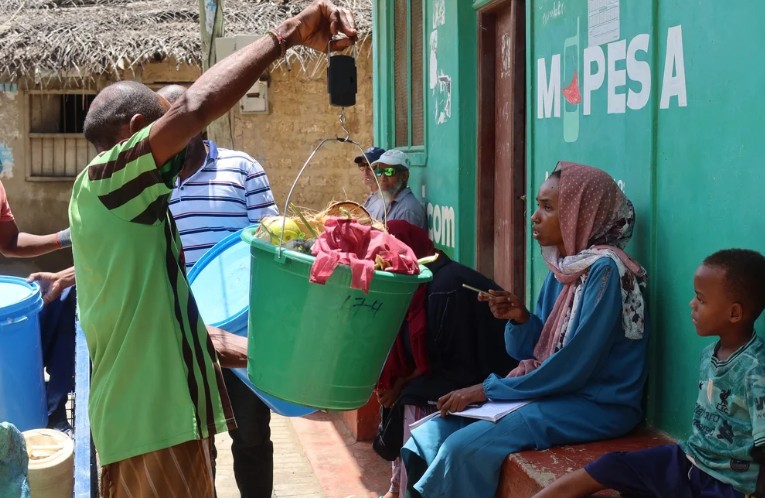
In 2016, The Flipflopi Project launched a bold and innovative response. Rooted in local heritage and driven by circular economy principles, the initiative established Lamu County’s first plastic recovery and recycling facility, now serving 70% of the archipelago and 28% of the county’s population. Plastic waste is collected, sorted, and transformed into durable, high-quality products including recycled plastic planks manufactured locally. By turning waste into value, the initiative creates jobs while preventing plastics from entering ecosystems or being burned.
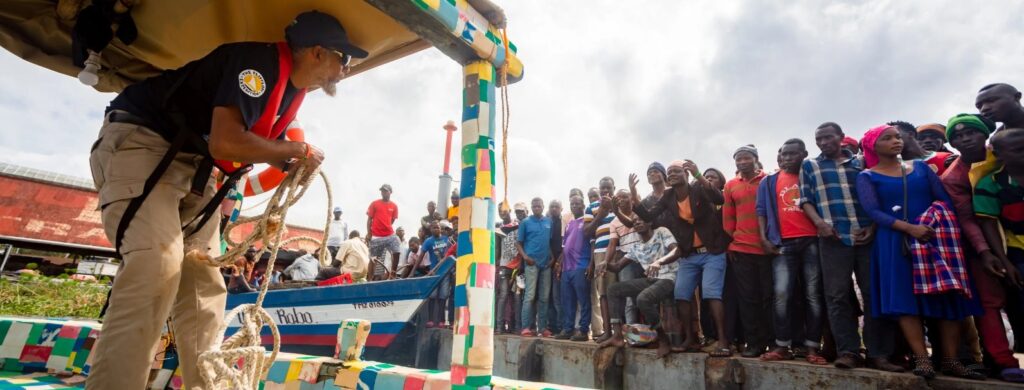
To amplify awareness, the team built the world’s first traditional sailing boat made entirely from recycled plastic. The dhow sails as a symbol of possibility—traveling across regional waters, including expeditions on Lake Victoria, to educate communities and advocate for policy reform. Alongside recycling efforts, the initiative campaigns across East Africa for bans on unnecessary single-use plastics, addressing pollution at its source.
Measurable Environmental and Social Impact
The results are significant and measurable. To date, 350,000 kilograms of plastic have been recovered, with 10–12 tons collected monthly. Of this, 73,000 kilograms have been converted into locally produced recycled plastic planks, and 122,000 kilograms of PET bottles have been recovered for external recycling. Between June 2022 and December 2024, the project avoided 318 tons of CO₂ equivalent emissions, contributing directly to cleaner air and climate mitigation. Local dumpsites have seen a 20% reduction in recyclable plastics.
Beyond environmental gains, the initiative drives meaningful social transformation. Over 1,000 individuals from low-income communities have been directly supported through more than USD 40,000 in cash injections—95% of whom previously had no stable income, and 60% of whom are women. A 12-week accredited vocational training program, delivered in partnership with Lamu Polytechnic, has graduated 106 students, building long-term skills and employability within the community.
A Scalable Model for Clean Air and Climate Action
The Flipflopi demonstrates how circular economy innovation can simultaneously address pollution, climate change, and economic inequality. By investing in permanent recycling infrastructure, community-led recovery systems, and accredited skills training, the model ensures long-term sustainability. Preventing plastic from being openly burned reduces toxic air pollutants and greenhouse gas emissions, directly improving public health outcomes.
Designed to be replicable across coastal and lake regions facing similar challenges, this approach combines recycling, livelihoods, education, and policy advocacy as a scalable blueprint for environmental resilience. Through community leadership and bold innovation, The Flipflopi is not only cleaning coastlines, it is redefining how plastic waste can become an opportunity.