Lathitha Biodiesel: Clean Energy and Youth Prospects out of Waste in South Africa’s Townships
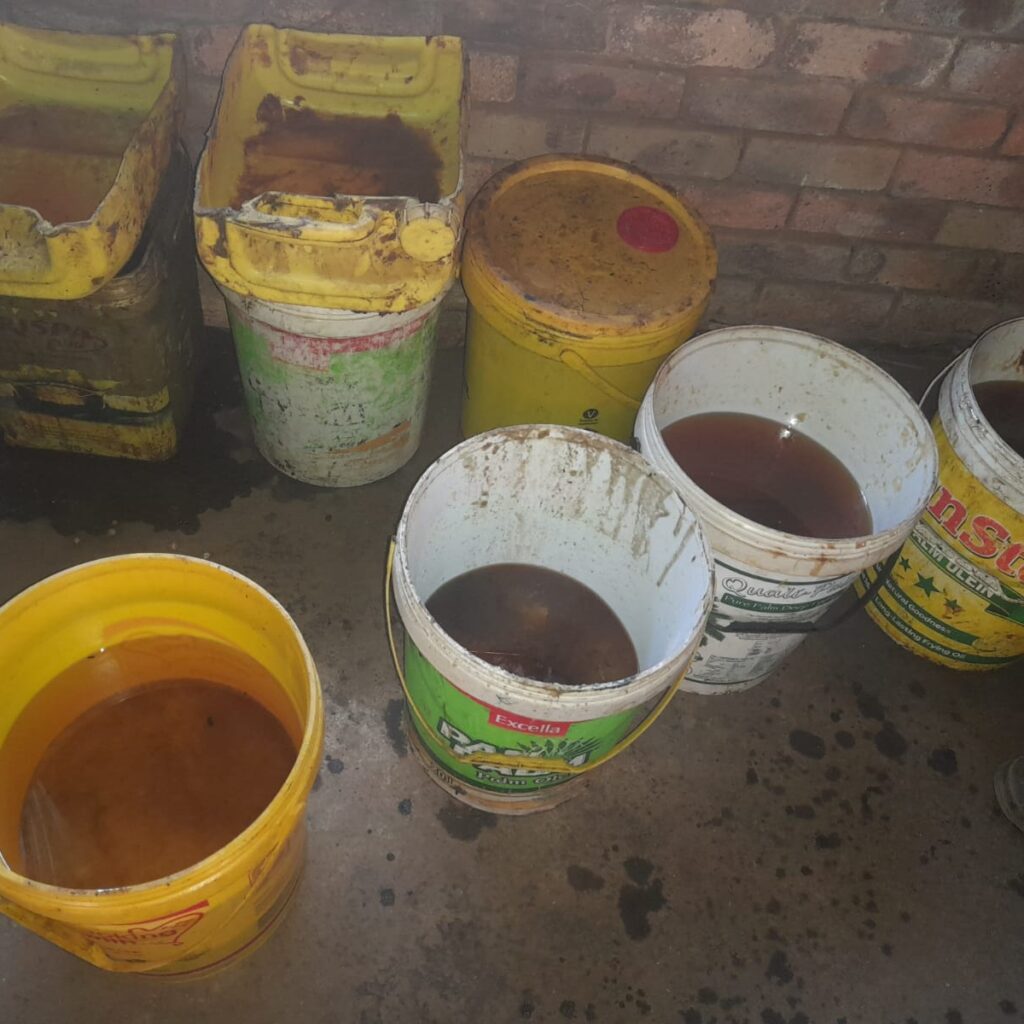
In many South African towns and townships, waste cooking oil has long flowed unseen into drains, soil, and open dumping sites. What seems like a minor household practice quietly contributes to blocked sewage systems, contaminated rivers, and damaged wetlands. As waterways clog and aquatic ecosystems suffer, communities face growing environmental degradation and public health risks.
Improper disposal does not end in water pollution alone. When alternative fossil fuels are burned to meet energy demands, air quality declines and greenhouse gas emissions rise. At the same time, youth unemployment remains critically high, particularly among young women in underserved communities. Access to green skills training and sustainable livelihood pathways is limited, leaving many excluded from emerging climate-focused industries.
The intersection of pollution, unemployment, and limited economic inclusion created an urgent need for a solution that could address environmental harm while building opportunity.
Solution powered by youth and women
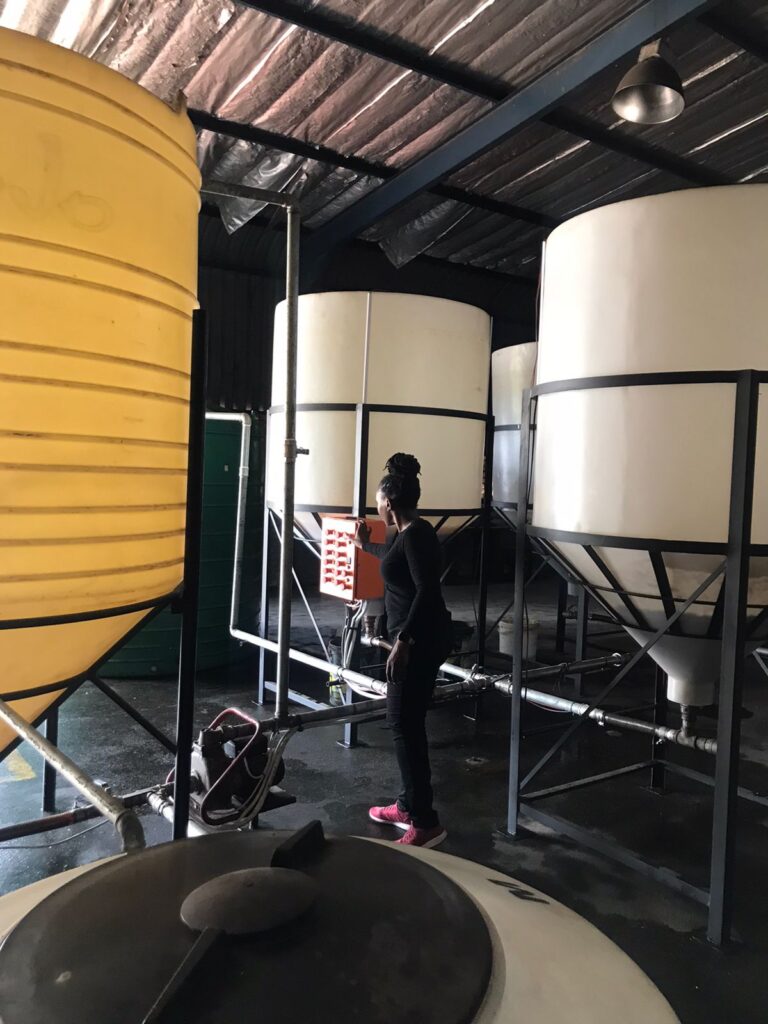
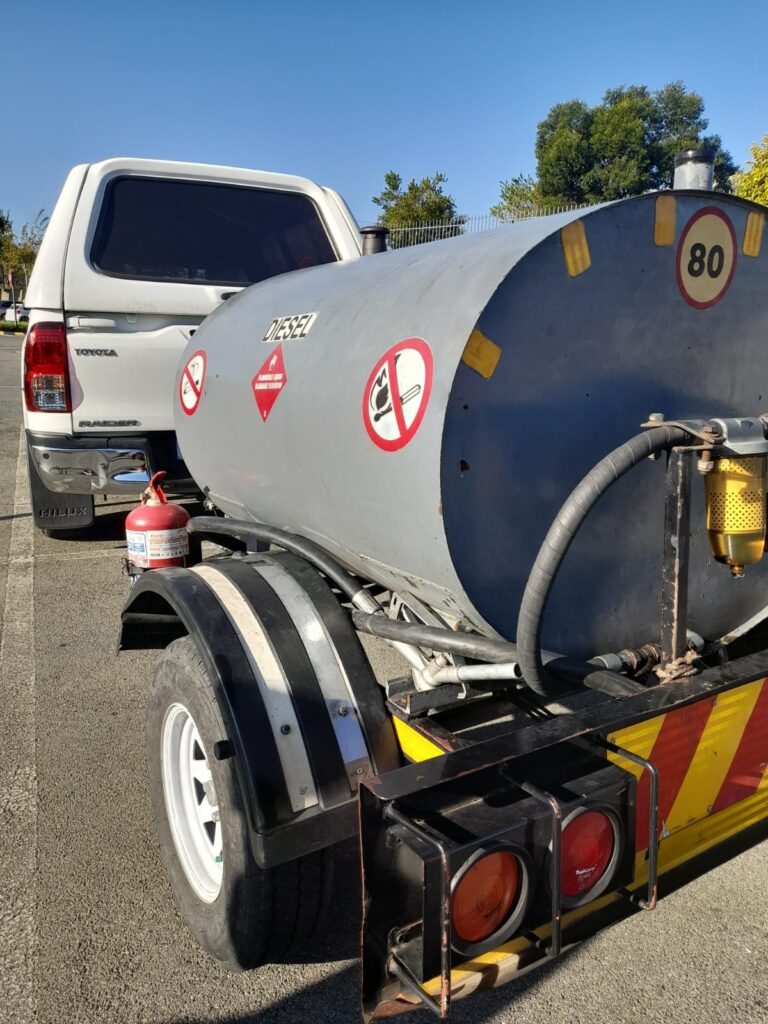
Lathitha Biodiesel emerged as a female-founded green energy initiative designed to tackle both environmental and social challenges simultaneously. Operating through a circular economy model, the initiative collects waste cooking oil from households, food outlets, and small businesses and converts it into clean, renewable biodiesel.
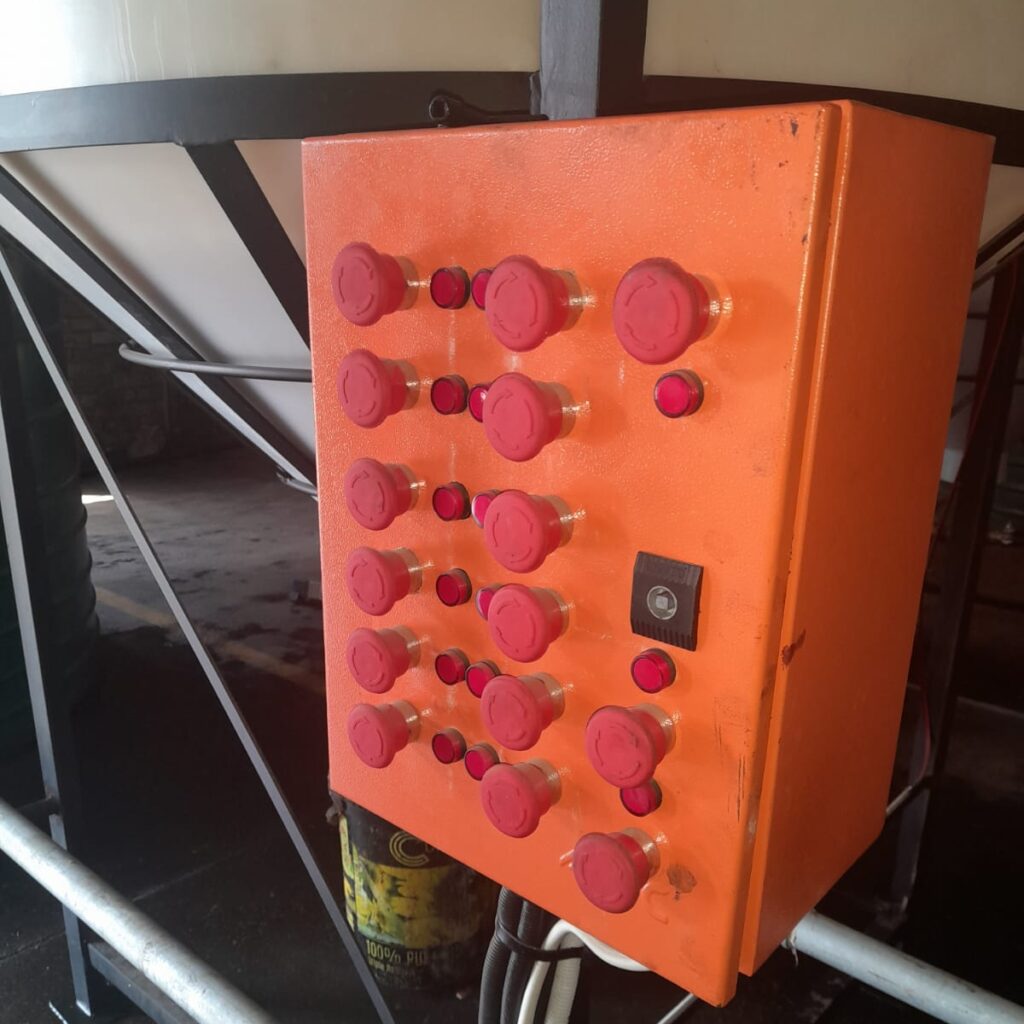
The initiative runs community awareness campaigns on proper oil disposal, organizes structured waste oil collection systems, and produces biodiesel locally. Alongside production, hands-on training programmes equip unemployed youth and women with practical skills in green energy, entrepreneurship, and sustainable business operations.
By combining environmental protection with workforce development, Lathitha Biodiesel demonstrates that climate innovation can be inclusive, community-driven, and economically viable. The model strengthens township participation in the green economy while reducing pollution at its source.
Walking towards a growing green economy
More than 250 youth and community members have been trained or engaged in oil collection and biodiesel production activities. The initiative is currently constructing its first commercial-scale biodiesel plant with support from Sasol Energies, with a planned production capacity of approximately 200,000 litres in its next operational phase. Supply agreements aligned with Sasol-linked clients contribute to increasing turnover and long-term commercial sustainability.
Beyond direct employment and skills development, the initiative benefits thousands of community members through cleaner water systems, reduced sewage blockages, and improved air quality. By preventing improper disposal and reducing fossil fuel dependency, the project mitigates environmental risk while strengthening community resilience.
For many participants, more than technical training, it represents entry into a growing green economy that was previously inaccessible.
A Scalable Model for Clean Air and Climate Action
The Flipflopi demonstrates how circular economy innovation can simultaneously address pollution, climate change, and economic inequality. By investing in permanent recycling infrastructure, community-led recovery systems, and accredited skills training, the model ensures long-term sustainability. Preventing plastic from being openly burned reduces toxic air pollutants and greenhouse gas emissions, directly improving public health outcomes.
Designed to be replicable across coastal and lake regions facing similar challenges, this approach combines recycling, livelihoods, education, and policy advocacy as a scalable blueprint for environmental resilience. Through community leadership and bold innovation, The Flipflopi is not only cleaning coastlines, it is redefining how plastic waste can become an opportunity.