From Post-Harvest Waste to Ecosystem Guardians
In the Gamo Zone of Ethiopia, the smallholder farmers are caught in a vicious cycle of losses that occur after harvesting, which spread to a large distance. Fruits and vegetables in peak season are left to rot without markets, storage, or processing facilities and are dumped in Lakes Chamo and Abaya into essential waters, fish stocks and crocodiles that are necessary to the ecotourism. The crisis is exacerbated by a lack of livestock feed, and the desperate communities are now capable of grazing animals in Nech Sar National Park, endangering the lives of zebras and delicate biodiversity. There is plenty of resources at the ground level, but access, tools, knowledge, and income, in particular, to women farmers, is severely lacking. This chain had to be broken by a community based, conservation oriented, value addition model.
Labascience: Waste as Wealth, Waste No More
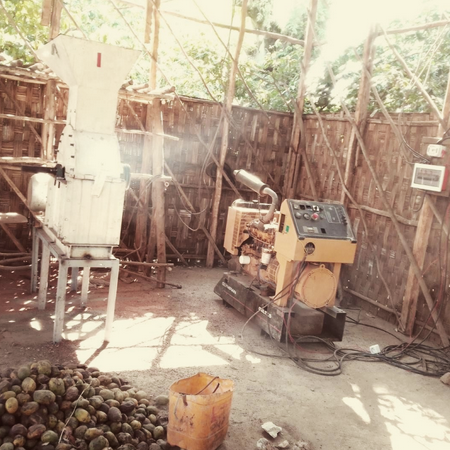
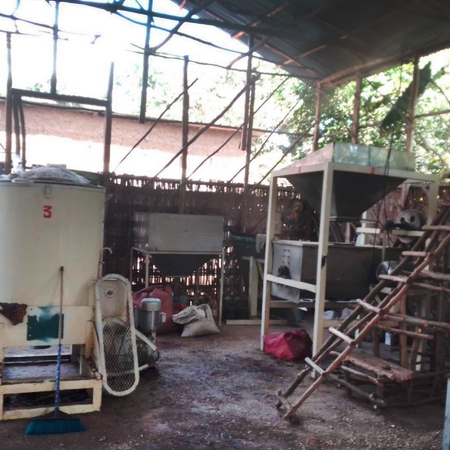
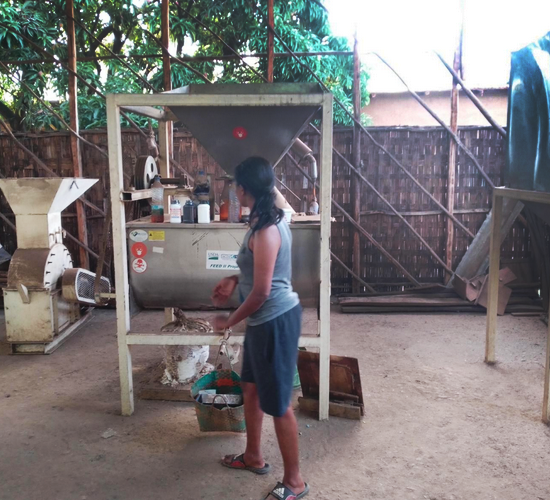
Labascience turned the crisis into an opportunity and the waste generated after harvesting became the organic livestock feed and the ecosystems were restored. The project is headed by local knowledge and rudimentary practices, which gather excess fruits and vegetables and transform them into high-nutrition feed via women-centered processing. Goals were specific: reduce pollution of slash lakes, safeguard Nech Sar against unauthorized grazing, educate women smallholders in eco-processing, and promote zero-waste activities.
The pilot implemented functional infrastructure waste collection centres close to the markets, female cooperatives to produce feed, field training on conservation agriculture and natural cosmetics, and community discussions with a fusion of cultural recovery and ecological management. Farmers who previously dumped their waste in lakes or plunged safe areas now adopt the concept of resource efficiency, drying, processing and recycling all scraps into feed, herbal medicines or fertilisers.
Hard-Earned Victories: Numbers That Change the World
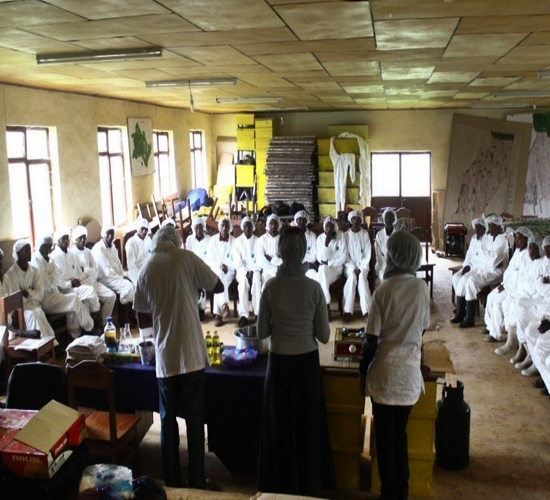
Results speak volumes. Labascience educated 3,065 smallholder women farmers on waste to feed conversion. More than 50,000 tons of fruit and vegetable waste were turned into natural animal feed, which inhibited the pollution of the lake directly. Over 20 micro-cooperatives were created in 16 kebeles, and enabled by skills and organization. More than 3,000 families can now afford herbal and livestock feeds, which boost food and income security.
Lakes Abaya and Chamo experience less contamination, qualitatively, saving biodiversity hotspots and the tourism income. Nech Sar has seen a reduction in stall grazing which has seen zebra and wildlife recovering. Natural classification and conservation attitudes towards trash have been integrated in communities with the internalization of the value of the ecosystem through practical education. Direct beneficiaries: 3,065 trained females and 3,000 or more households. The information is flowing on the Facebook and YouTube pages of the Laboscience, demonstrating real-time activity.
Triple Sustainability: Economy, Empowerment, Environment
Labascience entrenches resilience through pillars. Environmentally, it has zero-waste in the form of recycling of pulp, peels and seeds into feed, medicines and fertilizers preventing toxicity in lakes and encroachment of parks. It brings money to 250+ smallholders and employment to 25 young women at the processing plant, reduces dependence on expensive imported feeds and keeps money at home. Legally, social binding MOUs with cooperatives, groups of farmers and the government guarantee the communities ownership and sustainability.
Scalability is also flexible through the use of the plug and play replication of technical manuals, training modules and SOPs to new zones. This is not weak charity, but it is a reinventing machine in which waste is the bladder of life, conservation and circularity.
Food Category Champion: Nourishing People, Planet, and Parks
Labascience would best fit the Food category as it attacks the problem of post-harvest losses directly by turning the waste of fruits and vegetables into organic livestock food. This not only cuts pollution in biodiversity-rich Lakes Abaya and Chamo, but also guarantees low-cost feed to stop Nech Sar intrusion, and trains women and provides them with micro-enterprises. A combination of science and indigenous knowledge, it will promote food security, fight climate-induced waste and preserve ecosystems such that the trash of one community can be used to preserve the future of a whole region.